
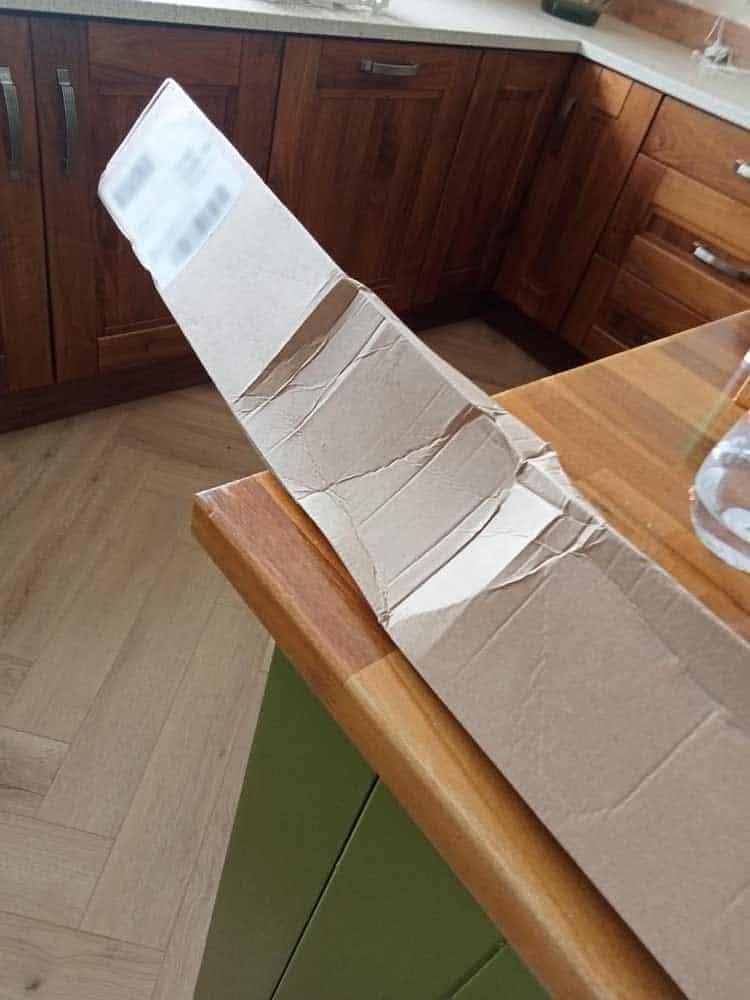
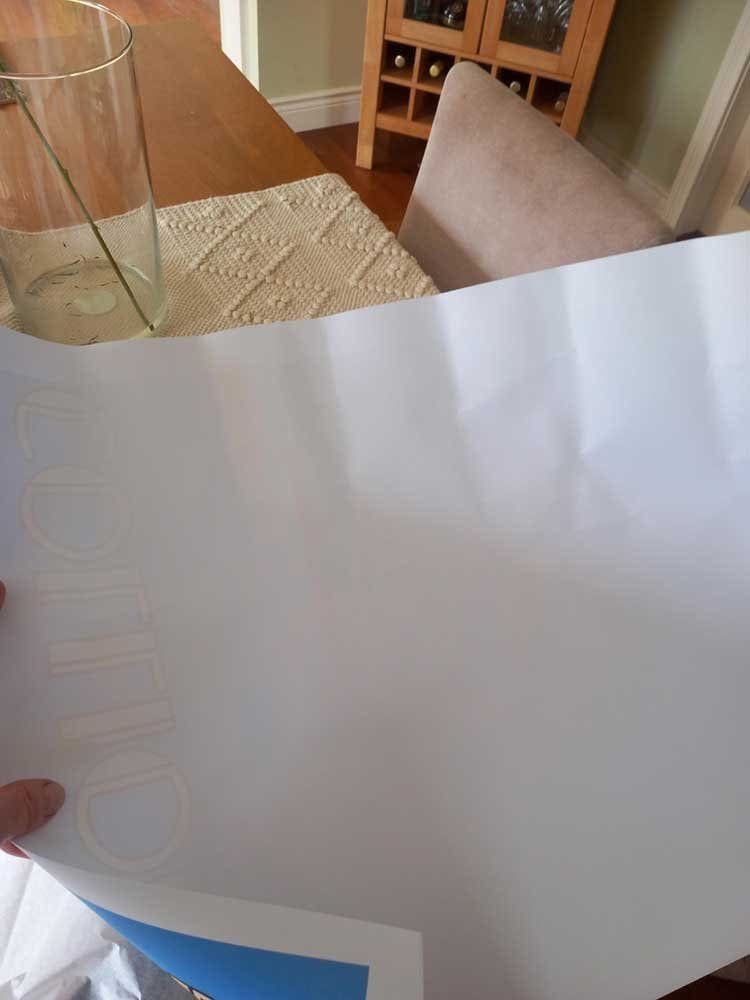
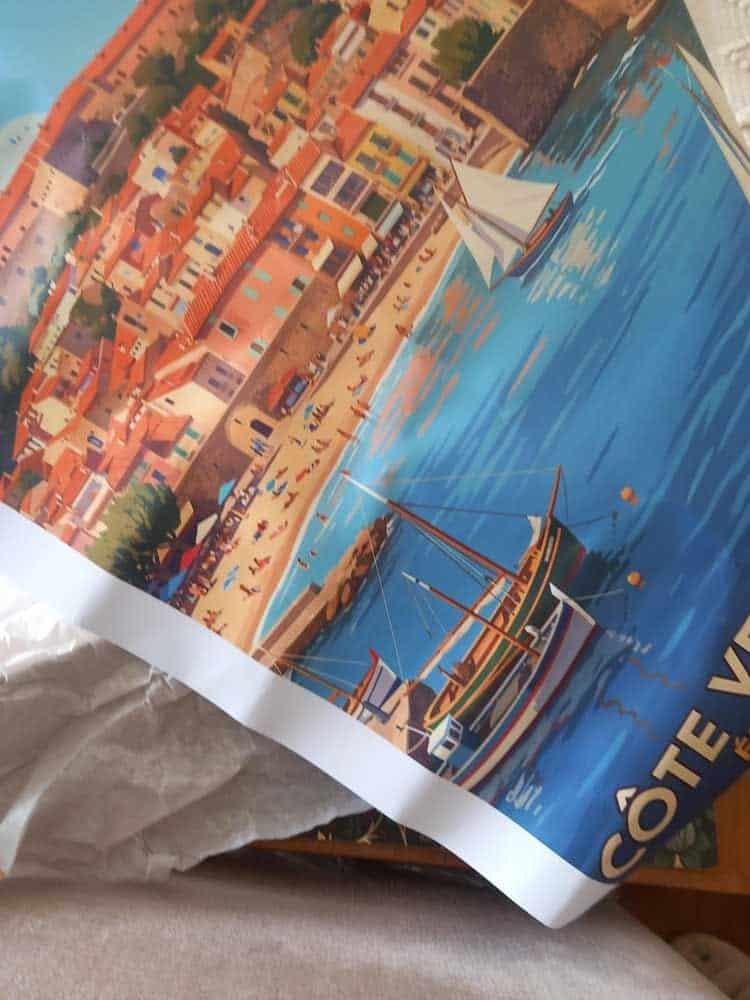
Yesterday, one of my customers received a poster from my Etsy shop. The print had been printed and shipped through Gelato, the print-on-demand platform I had been testing. The package arrived smashed. The print inside was unusable.
I refunded the customer in full.
I want to explain what is actually going on behind a print-on-demand storefront, because most customers do not know, and most new sellers find out the hard way.
How POD actually works
Understanding gelato print on demand shipping is crucial for anyone venturing into this business model.
You list a product on Etsy. The customer buys it. The order pings through to Gelato. Gelato prints the item, packs it, and hands it to a courier. The courier delivers it. You, the Etsy shop owner, never touch the product.
That sounds clean. It is, until the courier smashes the parcel.
Who pays when the courier ruins it
Here is the part nobody mentions in the “start a passive income store” guides.
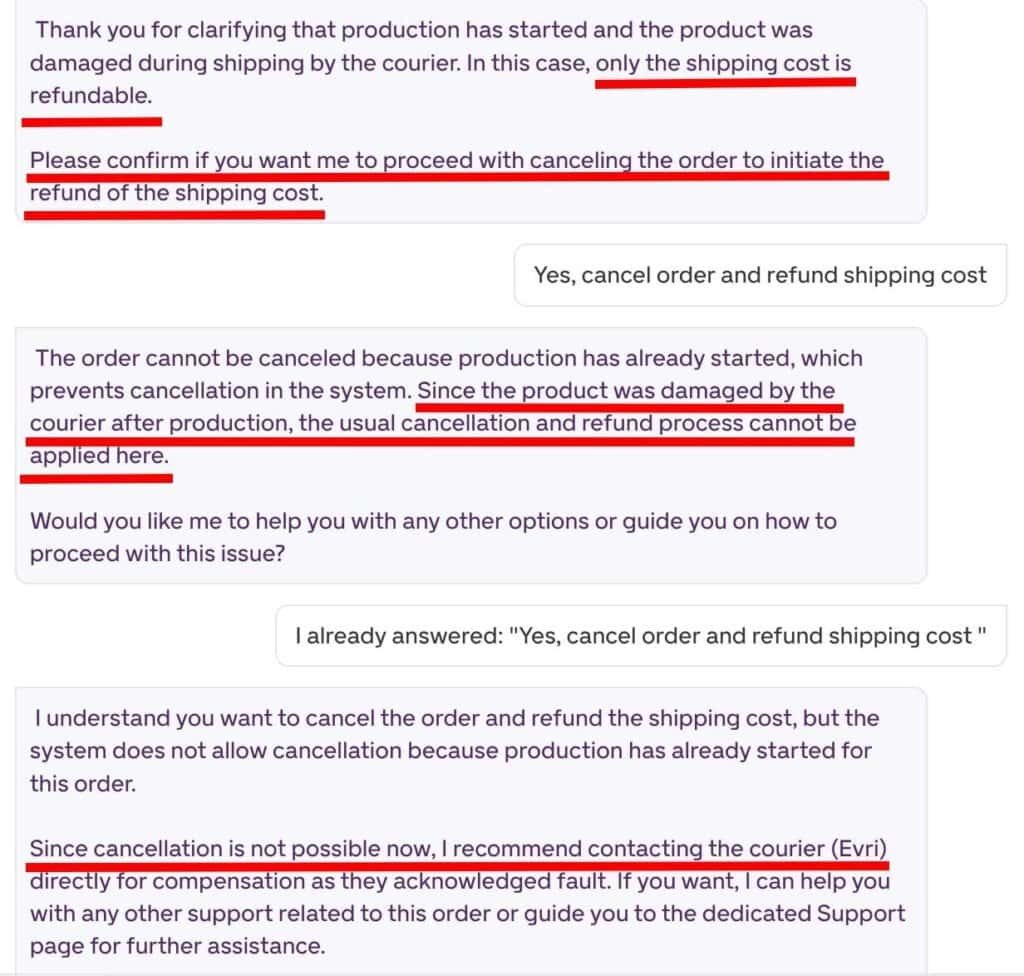
When the product is destroyed in transit, Gelato will offer to reimburse the shipping cost. That is it. The printing has already happened. The paper has been used, the ink has been laid down, the machine time has been spent. From Gelato’s point of view, production is sunk cost.
Meanwhile, the customer wants a refund. They are not interested in who is at fault. They paid your Etsy shop. They want their money back from you.
So the shop owner refunds the full order. Gelato usually refunds the shipping cost only. The shop owner eats the production cost. The courier shrugs.
The Evri problem
Gelato uses Evri for a lot of its UK shipments. Anyone in the UK who has ever ordered anything online knows Evri’s reputation. The reviews speak for themselves.
I am not going to pretend every courier is perfect. They are not. But Evri’s failure rate is high enough that you can almost build it into your unit economics as a tax. Smashed parcels. Lost parcels. Parcels left in front of the wrong door, in the rain, with a photo as proof of delivery. Rubbish.
When you choose a POD platform, you do not get to choose the courier. The platform chooses it for you. If they pick a courier who smashes parcels, you live with that decision.
The maths
Take a £25 print. Cost of production, say £8. Shipping, say £4. Etsy fees, say £2 to £3.
If the parcel arrives intact, you keep around £10 on a £25 sale. Not glamorous, but workable.
If the parcel arrives smashed, you refund £25 to the customer. Gelato sends you back the £4 of shipping, unless it decides it will not even do that! You are now £10 down on a sale that never happened. You have also spent time on customer service. You have also taken a hit on your shop’s review average if the customer is annoyed enough to leave a one-star.
One smashed parcel wipes out the margin on the next two or three successful ones.
The customer is right to be cross
The customer was not unreasonable. He paid for a poster. The poster turned up smashed. He wanted a refund. That is the whole transaction from his side.
It is not the customer’s job to understand that there are three companies behind the scenes, each one able to point at the other when something goes wrong. From his point of view, he bought from my shop and my shop failed.
That is fair. The buck stops with the shop owner. That is the deal you sign up for when you sell on Etsy.
What I am doing about it
I am stepping back from Gelato. There are other POD platforms: Teeful, Inkthreadable or Printful. There are also fulfilment routes where you have a say in the courier. There is the old-fashioned option of printing locally, packing yourself, and shipping with a courier you actually trust. Or just selling digital products.
Each of those has its trade-offs. The “fully hands-off” promise of pure POD is, in my experience, worth less than it looks on paper once you start absorbing the cost of smashed parcels…
To be honest, I should have priced this risk in from the start. I did not. That is on me.
What to do if you are starting out
A few things I would tell anyone setting up an Etsy + POD store today.
- Test the shipping yourself before you list the product. Order one to your own door. See what turns up, and in what state.
- Read the platform’s reimbursement policy carefully. Look specifically at what happens when the product is damaged in transit. Look for the words “shipping cost only”.
- Watch the courier name on tracking. If it is a courier with a poor reputation in your country, expect the breakage rate to be higher than the platform’s marketing suggests.
- Build the breakage rate into your pricing. If five percent of parcels arrive damaged, the other ninety-five percent need to carry that cost.
- Reply fast when something goes wrong. The customer who gets a same-day refund and an apology will often leave you alone. The customer who waits three days will leave a review.
The bigger point
Print-on-demand is sold as a “passive” business. It is not passive. It is a business where you have outsourced the parts that can damage your reputation to companies who do not share your interest in protecting it.
You can still make it work. Plenty of sellers do. But you go in eyes open, or you go in and learn the hard way.
I went in and learned the hard way. My customer paid for that lesson with a smashed poster. I paid for it with the cost of production. Gelato should have paid for it with the cost of shipping, but despite offering to do so, asked me to take up the issue with the Courier they picked themselves (and shipped the item in an inadequate parcel). Evri paid for it with nothing.